


 Platform Overview
 Unified Intelligence
 Customer Engagement
 Commerce and Fulfillment
 Retail Media Network
 About Us
 Come Work with Us
 Newsroom
 Events
 Insights
 Blog
Blog
 Digital Grocer Podcast
How To Add Online Grocery Delivery Without Losing Control
This article was originally published on March 19, 2019. It was updated on May 26, 2026.
On paper, adding delivery to your grocery eCommerce operation seems simple.
Sign a contract with a third-party provider, connect your catalog, accept orders, and fulfill them. In a matter of weeks, customers can get everyday essentials delivered straight from your stores. The reality is more complicated.
Most regional grocers who launched delivery in the last five years did it because the competitive pressure felt impossible to ignore. Walmart had it, Amazon was expanding it, and Instacart was making it look effortless.
Saying no felt like falling behind, so naturally most said yes.
It was only later that businesses began realizing they had handed over customer relationships, transaction data, and margin to third-party platforms.
The grocers who are actually finding profitability in online grocery delivery have built it as a deliberate extension of a profitable pickup operation, added it on their own terms, and held onto the customer relationships and operational economics that keep the rest of their business healthy.
This piece is about how to get that sequence right.
What Grocers Get Wrong About Amazon Fresh and Walmart+
The first instinct, when Amazon Fresh launches in your market or Walmart+ undercuts your fees, is to match what they’re doing.
Wider delivery windows. Lower thresholds. More aggressive promotion. The logic is that customers expect delivery, and if you don’t offer it, they’ll order from someone who does.
That logic is only half right.
Customers do expect delivery to be available. But the conclusion grocers tend to draw, that they should compete on delivery the way Amazon and Walmart do, doesn’t survive contact with the math.
Walmart subsidizes delivery through a membership program that bundles fulfillment costs into an annual fee shoppers pay regardless of how often they order. Amazon Fresh leverages Prime infrastructure that was paid off long before groceries entered the picture. Instacart runs at the platform margin rather than the retailer margin, which is why the unit economics that work for Instacart don’t work for the store doing the picking.
A regional grocer trying to match those terms ends up running a delivery program that costs more per order than it earns. The volume looks like growth. The P&L tells a different story.
This is where pickup matters before delivery enters the conversation.
Pickup Comes First, Delivery Comes Second
Pickup costs 40 to 60 percent less to fulfill than delivery. The infrastructure already exists. Every store is a pickup point.
But perhaps most importantly, the customer relationship stays direct: shoppers interact with your team, see your brand, shop at in-store prices, and frequently grab additional items on their way out.
The first-party data on what they buy, how often they purchase, and how often they return flows into your systems.
None of that is true of third-party delivery.
The grocers who’ve built profitable online grocery operations led with pickup. They proved the operational model, built customer habits around their pickup experience, and used the first-party data those orders generated to personalize engagement and improve targeting.
Only then did they add delivery, not as the centerpiece of their digital strategy, but as a complementary option for shoppers whose circumstances require it.
That sequence matters because it determines what role delivery plays in the business. Lead with delivery and it becomes a margin-destroying race against retailers who can outspend you. Lead with pickup, then add delivery, and delivery becomes what it should be: a service extension that captures incremental customers without compromising the economics of the channel you actually control.
When Delivery Earns Its Place in Your eCommerce Mix
The decision to add delivery shouldn’t be reactive. There are four conditions worth meeting before delivery enters your operational picture.
Pickup Is Stable and Profitable
KPIs to Look for:
> 2min
wait time at curbside
98%
order accuracy
> 5%
substitution rate
If pickup isn’t running cleanly, adding delivery will compound the operational strain rather than diversify the business.
Capacity Exists in Store to Absorb New Volume
Picking is the constraint in most grocer fulfillment, and picking labor doesn’t care which channel the order came from.
If your pickers are already stretched, delivery orders will degrade pickup service quality, which means trading the channel that works for the one that’s harder to make profitable.
Customer Demand Is Real, Not Anecdotal
“We hear customers want delivery” is different from “we tracked 1,200 distinct customers who wanted their groceries delivered by checking our delivery zip code in the last 90 days.”
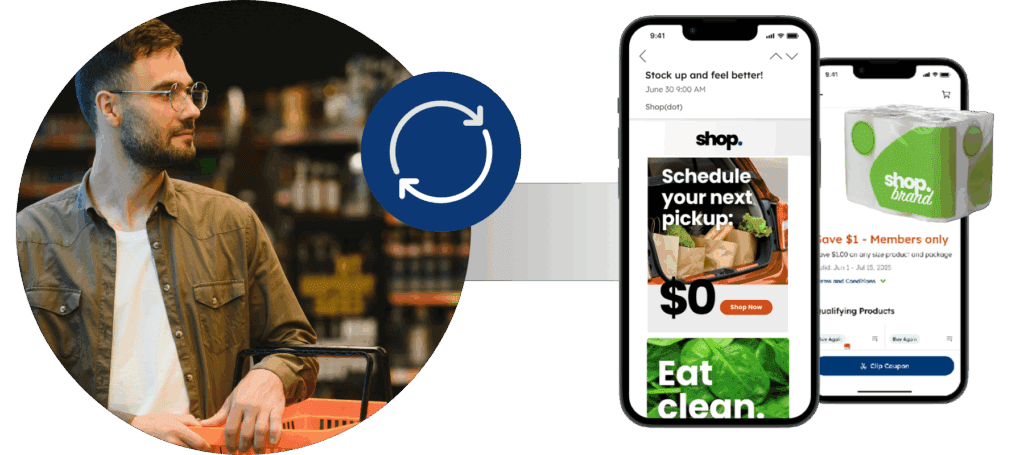
Real demand justifies real investment. Anecdotal demand justifies a small pilot.
The Economics Still Work
If the only way to compete on delivery is to absorb costs, issue refunds on problem orders, and still flip your fulfillment P&L negative, the answer isn’t to compete.
It’s to position delivery as a premium service with a checkout experience that reflects what it actually costs to provide.
The Six Things to Protect When You Add Delivery
When the conditions listed above are met, delivery becomes a strategic addition. But that’s just the baseline.
The implementation of a delivery system can’t leave you vulnerable. It must continue to protect the other advantages your grocery possesses without compromising them.
Customer Relationship Ownership
When the order is placed through your branded experience and fulfilled by a third-party driver, the customer should still feel like they shopped with your store.
When the order is placed through a marketplace and your role is reduced to inventory source, you’ve handed the relationship over.
The contracts and the integration architecture determine which scenario you’re in. Read both carefully.
Exclusivity in Your Zone
A delivery service that fulfills orders from your store and your three nearest competitors in the same community isn’t a partner. It’s an aggregator that happens to source from you.
The shopper experience reflects that: competing offers, cross-store promotions, the slow erosion of brand preference into platform preference.
Access to Private Label and Prepared Foods
These are your highest-margin items and the products that differentiate your stores from a mass retailer — the kind shoppers can’t find in the stock of a generic platform.
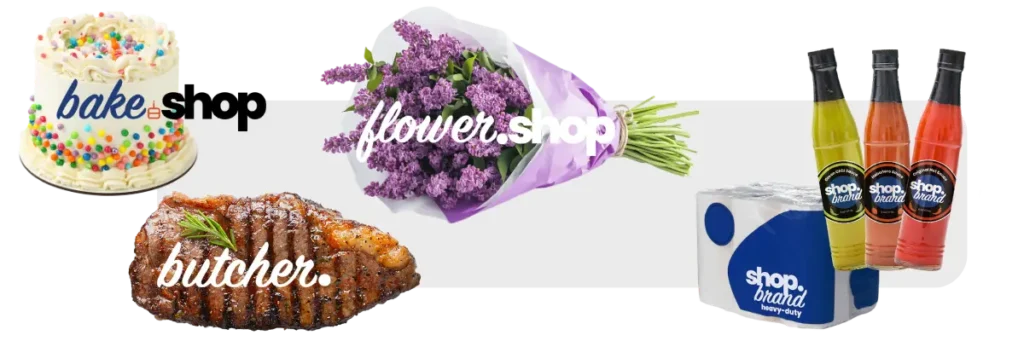
If the delivery experience surfaces them poorly or excludes them entirely, you’re routing customers around your own competitive advantages.
Control of the Picking Process
A third-party picker rushing through the produce section to hit a quota isn’t acting as a personal shopper for your customers.
They’re just working against your reputation. Maintaining control of picking, your staff, your training, your standards, is non-negotiable for any delivery model worth keeping.
Pickup as a Real Option, Not a Checkbox
Some delivery integrations quietly de-emphasize pickup in the customer interface because pickup generates lower platform revenue.
Pickup is the channel where your economics work best. Any partnership that suppresses it is working against you.
Data Ownership
This is the question with the longest tail.
The customer who orders delivery from your store today is the customer you might want to win back, segment into a loyalty program, or target with a personalized offer two years from now. If the transaction data lives only in the platform’s systems, none of that is possible.
Owning the data is what makes every other piece of the digital strategy work.
What Modern Fulfillment Should Look Like
The grocers building profitable online operations have stopped treating fulfillment as a logistics problem and started treating it as a customer experience problem.
DXPro, from Mercatus, handles fulfillment with that in mind.
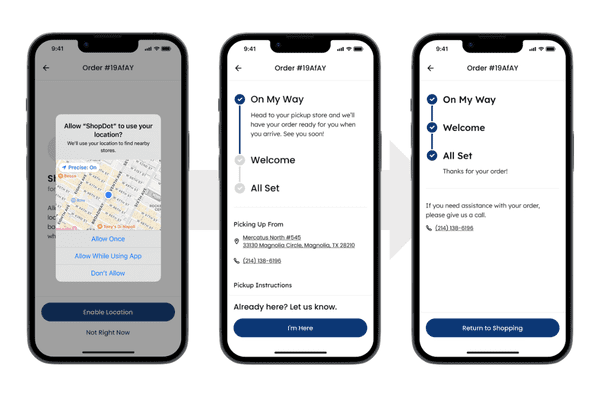
Orders flow through a single workflow that supports center store, perimeter departments, and fresh foods, with smart slotting that prevents picking conflicts and real-time status updates that keep shoppers informed from order placement through handoff.
The picker, the order, and the customer stay connected to the same system, which is how accuracy holds up at volume.
The fulfillment workflow also extends naturally as the business grows. Pickup and delivery integrations are supported from day one. Adding a new channel doesn’t require a new system.
That operational consistency is what makes the rest of the digital strategy work.
The customer data flows back clean. The promotional logic ties to real purchase behavior. The sales, intelligence, and customer experience all stay in the retailer’s hands.
The Delivery Decision is a Sequencing Decision
Leading with delivery means spending margin you can’t get back.
Leading with pickup builds a fulfillment foundation that compounds over time: lower cost per order, direct customer relationships, first-party data, and operational leverage that grows with the business.
Delivery layered onto that foundation extends what you offer without undermining the economics that make it all work.
Most regional grocers don’t need to be told that delivery matters. They need a framework for adding it in a way that doesn’t surrender what’s working.
That framework starts with operational maturity in pickup and ends with delivery integrations that preserve control of the customer relationship, the brand, and the data.
If you’re evaluating delivery options now, whether that’s a new third-party partnership, a renegotiation with an existing one, or a decision to launch delivery for the first time, the architecture matters more than the launch date.
See how DXPro helps regional grocers offer online grocery delivery without losing the customer relationships and operational economics that make the rest of their business profitable.
